Why get a sewer camera inspection before buying in Fairfield?
The main sewer line is one of the few parts of a house you can't see on a showing, and one of the more disruptive ones to fix after you've moved in. It runs underground from the house to the street, often under the lawn, a driveway or a walkway, and nothing about the kitchen or the bathrooms tells you what shape it's in.
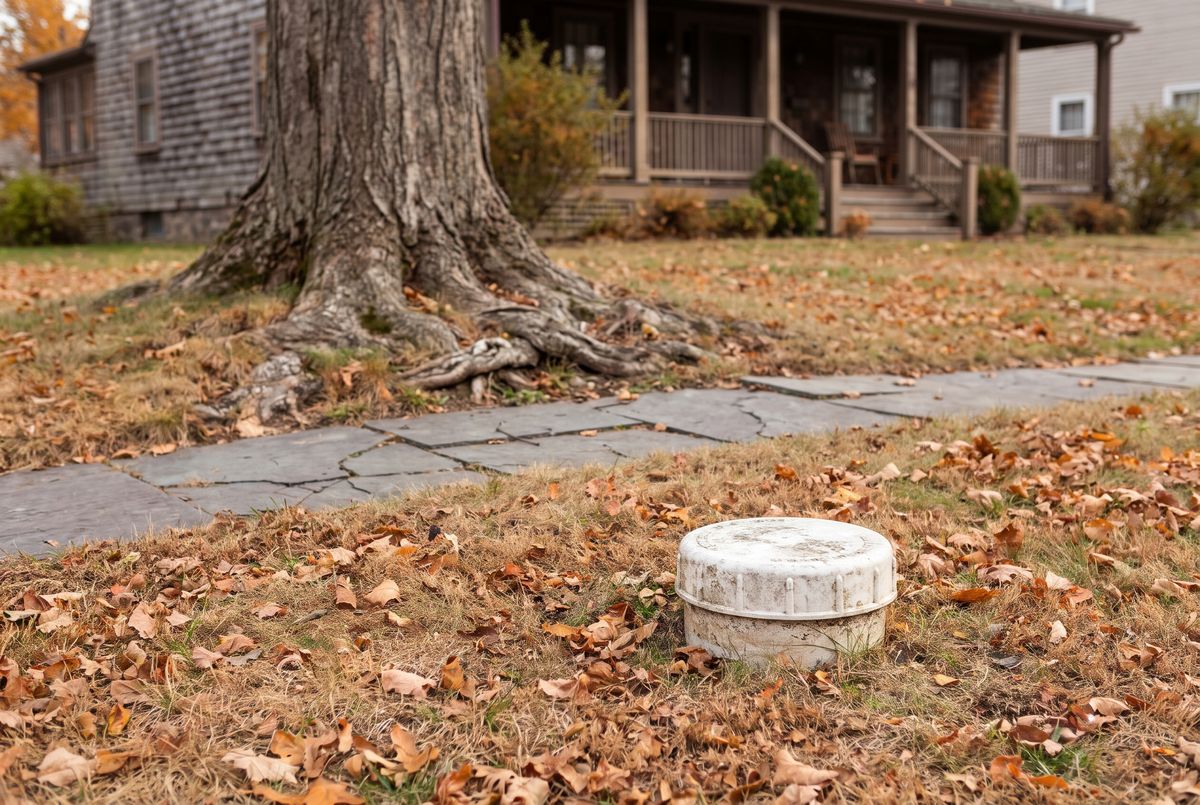
In Fairfield that matters more than in some towns. Plenty of homes near Fairfield Center and the train stations were built when clay and cast-iron sewer pipe were standard, and the established neighborhoods have big oaks and maples growing close to those lines. Our Fairfield service area page covers the town's common drain problems, including older pipe under mature trees.
What does a general home inspection usually miss?
A general home inspector runs the faucets, flushes the toilets and watches the water drain. That tells you the drains inside the house are moving today. It doesn't show a root mass sitting in a joint far out under the lawn, a section of pipe that has sagged and holds water, or a crack that lets soil in a little at a time. A house that has been empty for a while can drain fine for an hour of testing and still have a line that's half blocked.
That's why many buyers book a separate sewer camera inspection during the inspection period, the same way they'd book a separate radon or well test when the house calls for one.
What does the camera actually show?
A sewer camera inspection sends a waterproof camera on a cable through the main line, usually from a cleanout, and shows the pipe from the inside. You see the pipe material, the joints and anything in the way along the sections the camera can reach, though standing water or a heavy blockage can limit what it shows. Paired with a locator, the camera also shows where the line runs across the property and roughly how deep it sits, which matters if you're planning a patio, a fence or an addition.
| What the camera finds | What it usually means | What to ask next |
|---|---|---|
| Fine roots at a joint | Roots found a small opening and started growing in | Can it be cleared, and how often might it come back? |
| Heavy root mass | Roots have been in the line for a long time | Is the pipe cracked or separated behind the roots? |
| Standing water in a section | The pipe has sagged and holds water and debris | How long is the sag and how deep is it? |
| Crack or broken section | Soil or roots can get in and flow is restricted | Does it need a section repair before closing? |
| Clean pipe, sound joints | The line is in reasonable shape for its age | Note its condition as a baseline for later |
Call us at (203) 943-8722 for a free estimate on a camera inspection before your inspection window closes.
Call (203) 943-8722Which Fairfield houses is it most important for?
Age and trees are the two big signals. Homes around the center, Stratfield and Tunxis Hill often combine older pipe with mature trees growing right over the sewer line, and roots work their way into clay joints. Our guide to tree roots in an older sewer line covers what happens once they do. If the house has a large tree between the foundation and the street, treat that as a reason to look.
Shoreline homes near Southport and Jennings Beach raise a different question. Those streets sit on high water tables, so it's also worth asking whether the house has a backwater valve on the sewer side and whether the gutters and underground drains carry storm water away from the foundation.
Signs in the listing or on the showing worth noting
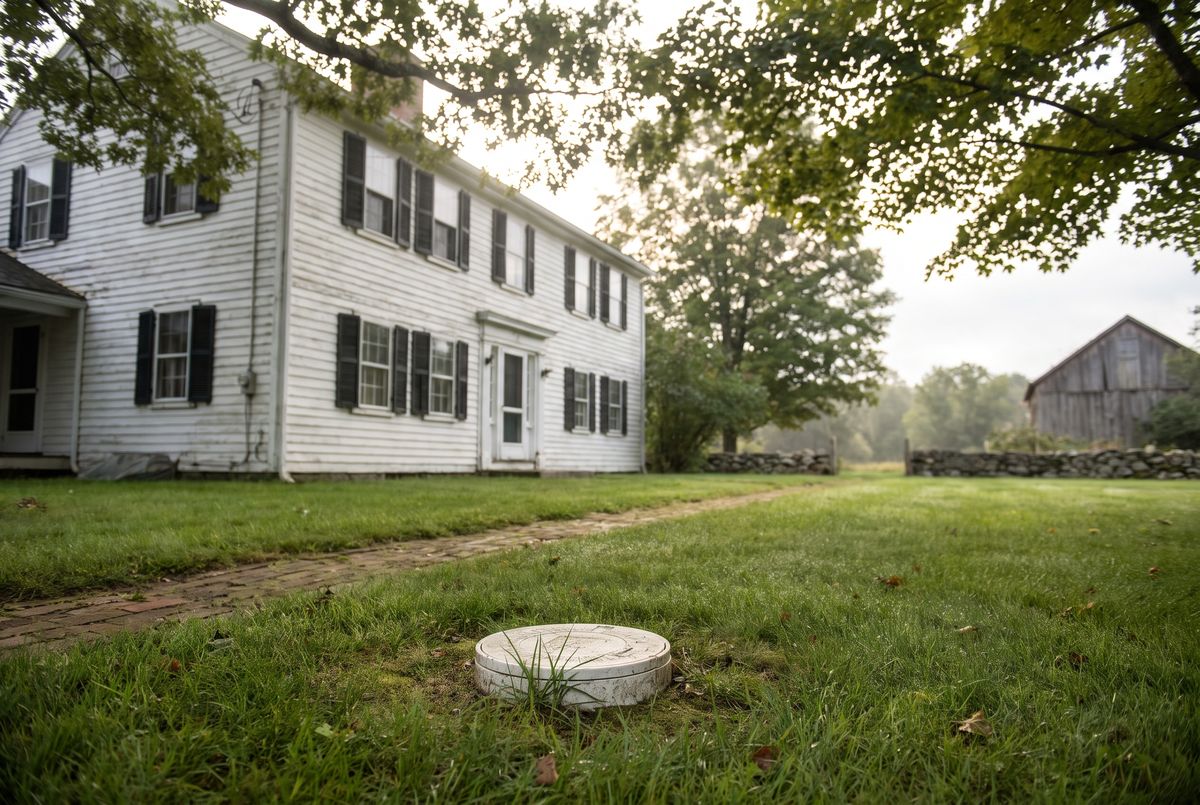
A cleanout cap that looks recently disturbed, a basement floor drain with staining around it, a gurgle from a toilet when a sink drains, or a seller's note about a past drain cleaning are all reasons to ask questions and get the line on camera before you commit.
How do you fit a sewer inspection into the buying timeline in Fairfield County?
- Ask your agent how long the inspection period in your contract runs.
- Book the camera inspection early in that window, alongside the general inspection.
- Ask the seller or listing agent where the cleanout is, so the camera has a way in.
- Ask what the camera found, where any problem sits and how deep it is.
- Share the findings with your agent before the inspection period ends.
If the camera finds roots or a damaged section, you'll want to understand the options before you negotiate. A short section with a crack can often be repaired on its own, and roots in an otherwise sound line can sometimes be cleared and watched. Our sewer repair page explains how a damaged section is handled, and the pipe locating work is what pins down where the problem is under the yard.
What affects the cost of a camera inspection and any follow-up work?
Every line is different, so there's no single number for it. What changes the job is access, meaning whether there's a usable cleanout or the camera has to go in another way, the length of the run to the street, and whether a blockage has to be cleared before the camera can get through. Follow-up work depends on what the footage shows, how deep the problem sits and what's on top of it. We explain the findings and the price before any work starts, and estimates are free.
Call (203) 943-8722 for a free estimate on a sewer camera inspection in Fairfield.
Call (203) 943-8722